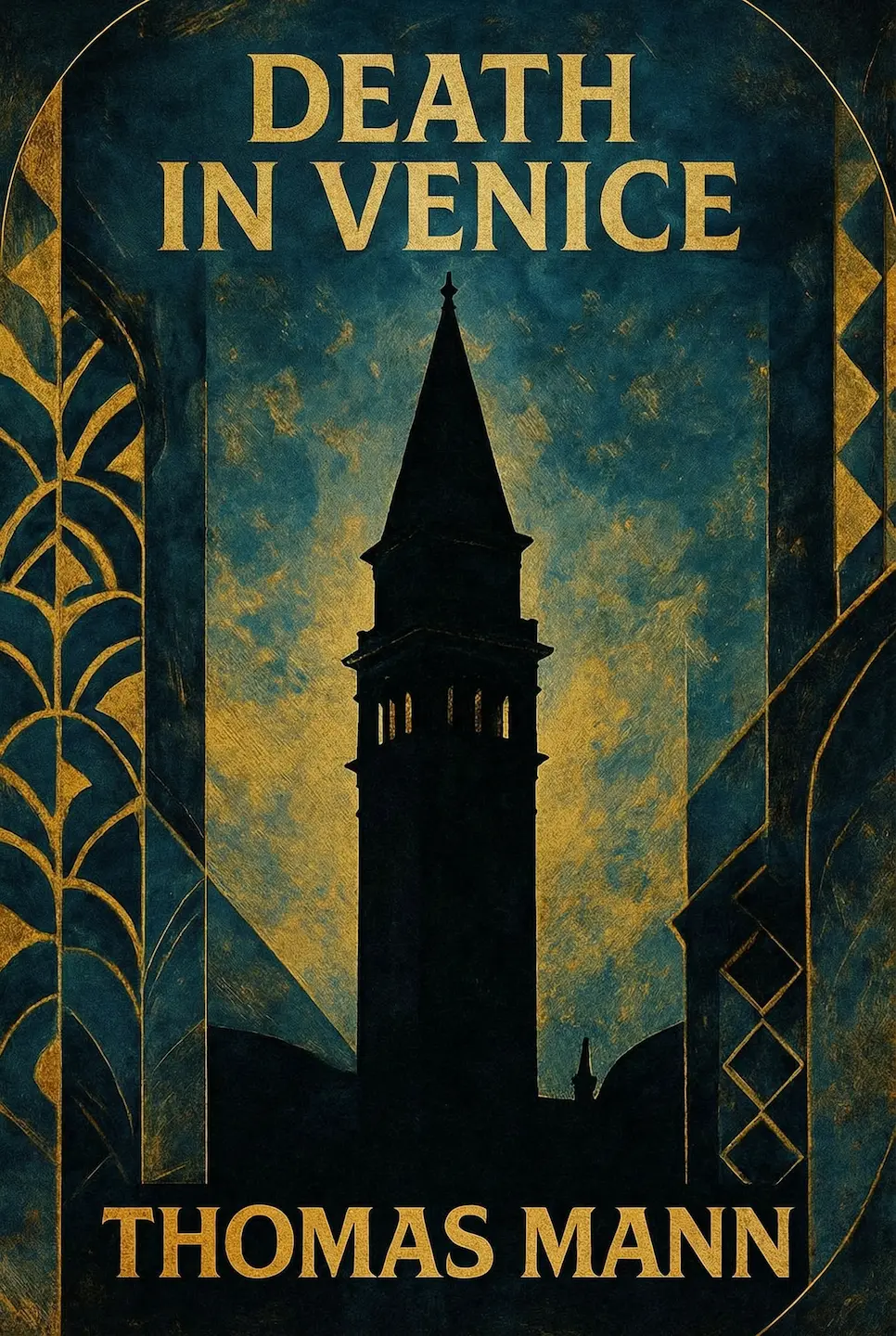
Venice, summer 1911. Gustav von Aschenbach, an aging writer at the height of his fame, arrives in the Serenissima seeking rest. But a chance encounter with Tadzio, a Polish adolescent of disturbing beauty, shatters the equilibrium of a lifetime devoted to discipline and self-control. As the Asiatic plague creeps through the streets of the lagoon city, Aschenbach surrenders to an unspoken passion, both contemplative and consuming. In this twilight novella of remarkable density, Thomas Mann reveals the depths of forbidden desire and the artist's fascination with that which destroys him.
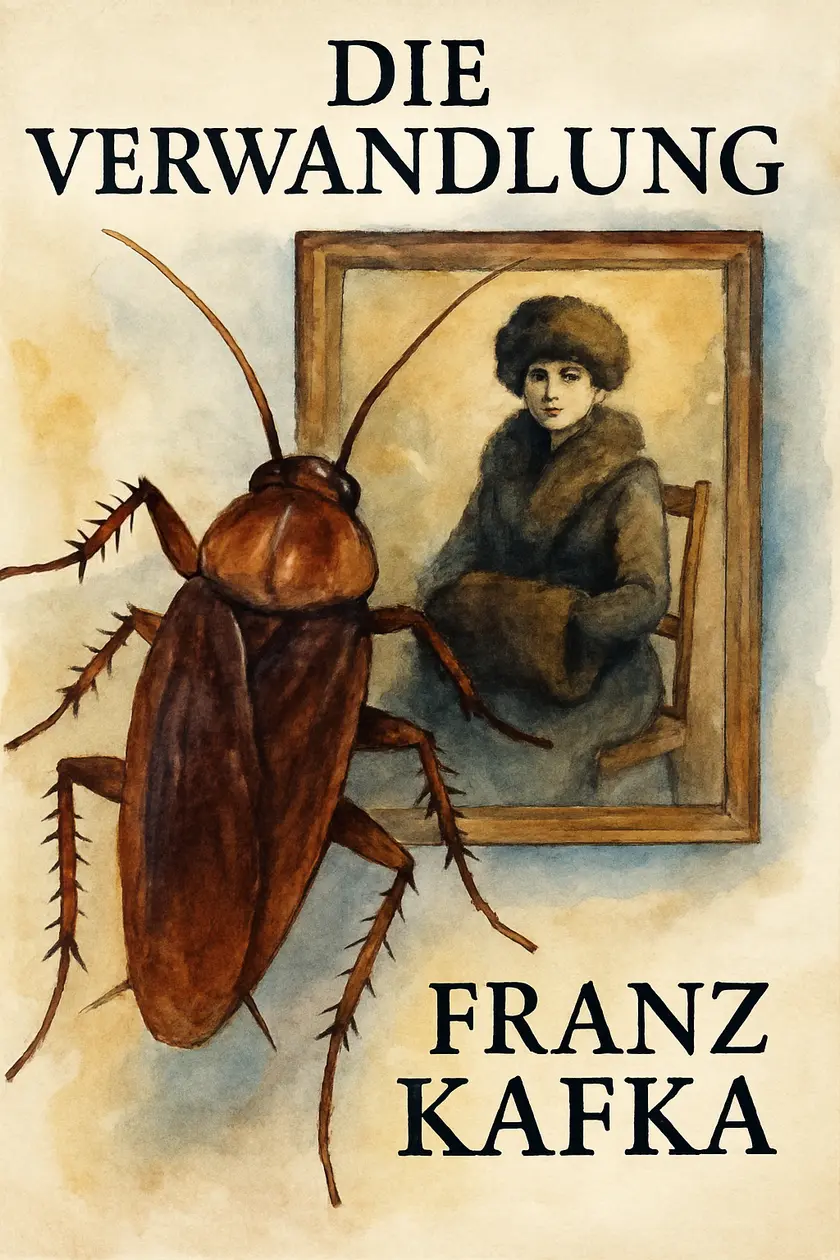
One morning, Gregor Samsa can no longer leave for work. He has become something unrecognizable. The household adjusts, then hardens. Kafka renders the grotesque with calm precision, revealing the pressures of work and respectability and turns a private crisis into a mirror of modern life. The result is a lucid fable about obligation, dignity, and the edges of the self. A masterpiece that is as darkly comic as it is humane.
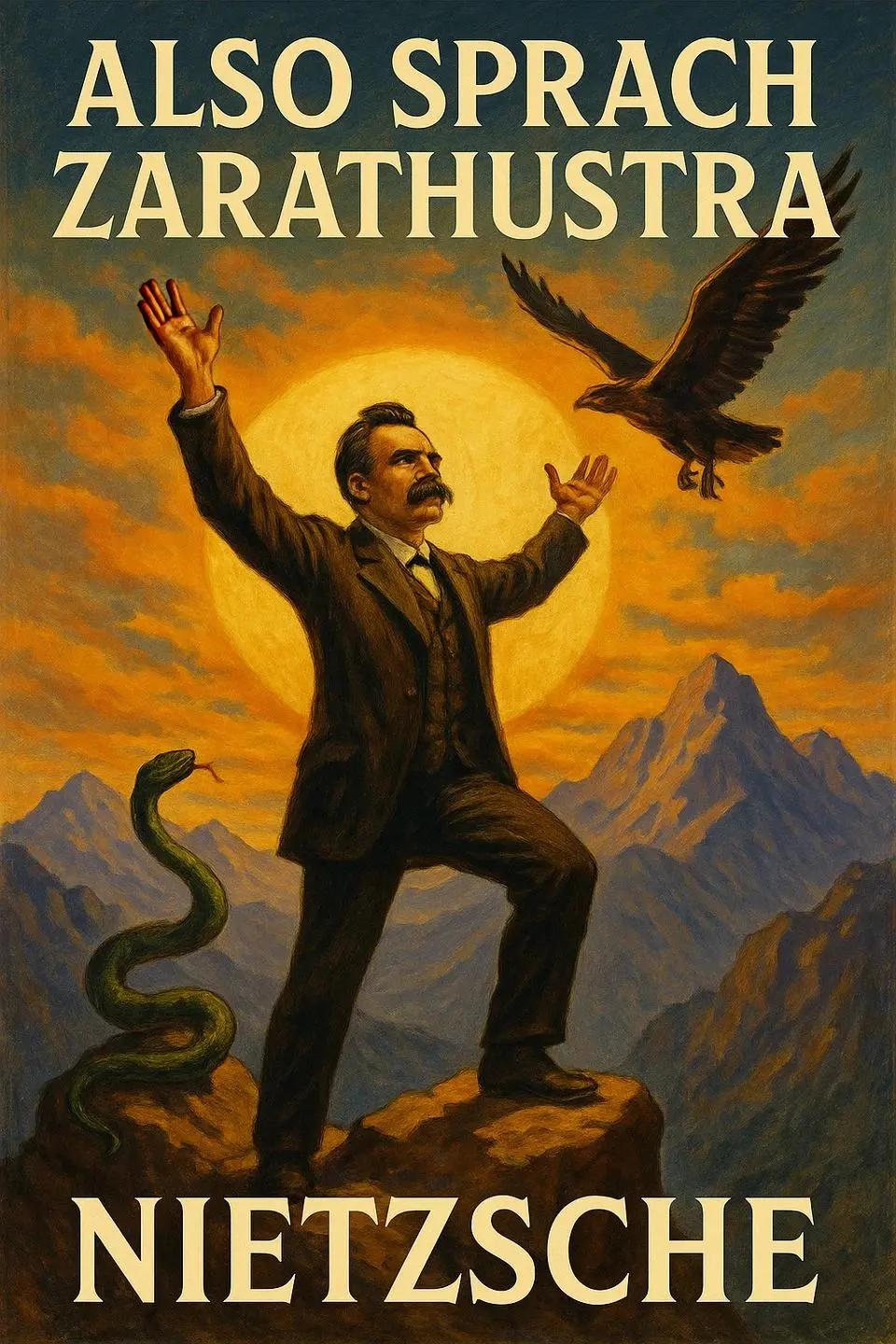
"The years — during and above all after Zarathustra — were a state of distress without equal. One pays dearly for being immortal: one dies several times within a single lifetime. — There is something I call the rancune of the great: every great thing — a work, a deed — once accomplished, turns at once against the one who did it. By the very fact that he has done it, he is now weak: he can no longer bear his deed; he can no longer look it in the face. To have behind one something one should never have willed, something in which the knot of humanity’s fate is tied — and now to have it upon one’s shoulders!… It almost crushes… The rancune of the great!" (Friedrich Nietzsche, Ecce Homo, Why I write such good books).
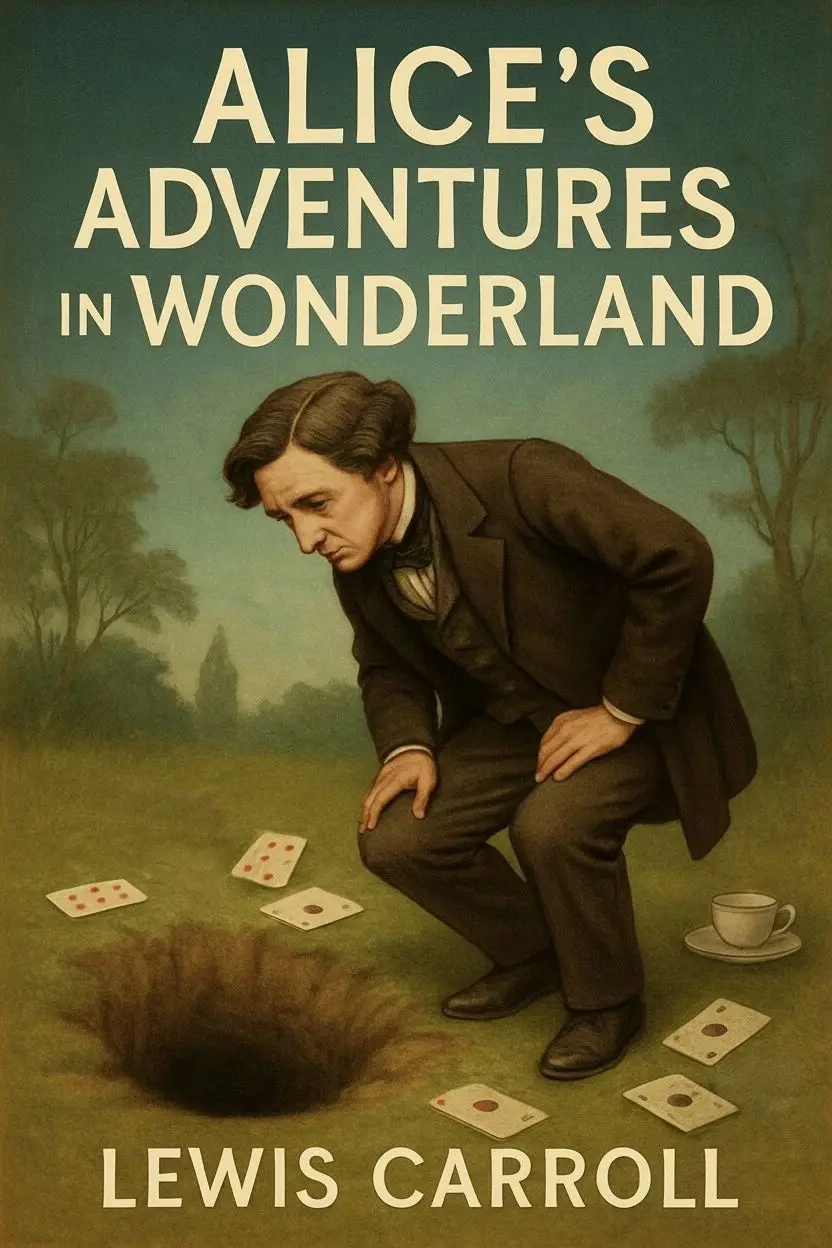
Following a hurried White Rabbit, Alice tumbles into a world where you change size as readily as you change your mind. She passes through a corridor of doors, weeps a pool of tears, debates with a Caterpillar, takes tea at a mad party, smiles at a Cat that fades away, plays croquet with the Queen of Hearts, and attends an absurd trial. At every turn, Lewis Carroll puts some cog in the machinery of language or reason to the test. Alice presses on, questioning and resisting, until Wonderland becomes the workshop where our certainties are made and unmade. By tripping up Alice’s habits, the story teaches us to see more clearly the logic that governs the ordinary world.
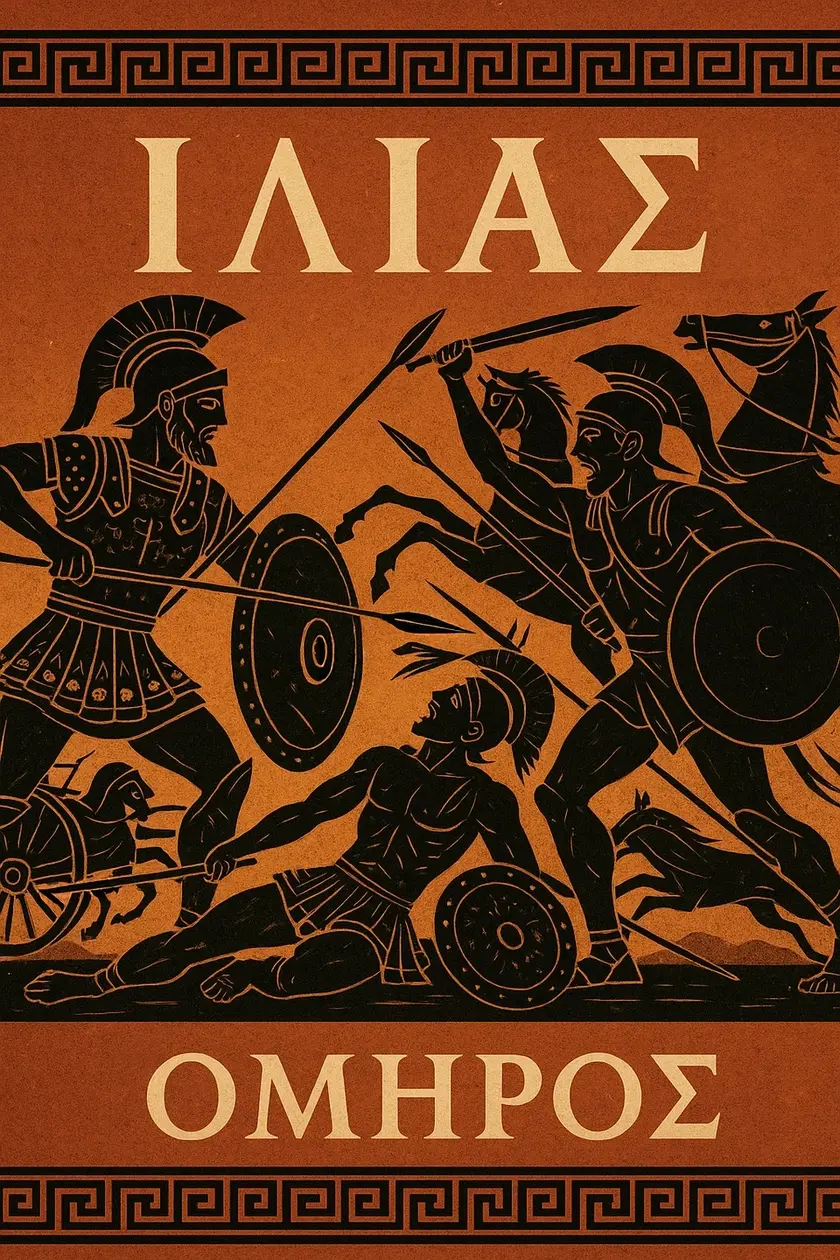
In the epic poem The Iliad, Homer tells of the final, fateful weeks of the Trojan War where gods and mortals clash, honor drives men to glory and ruin, and the wrath of Achilles shapes the fate of nations. Rich in human drama and poetic power, Homer’s epic explores the timeless costs of pride, loyalty, and war.
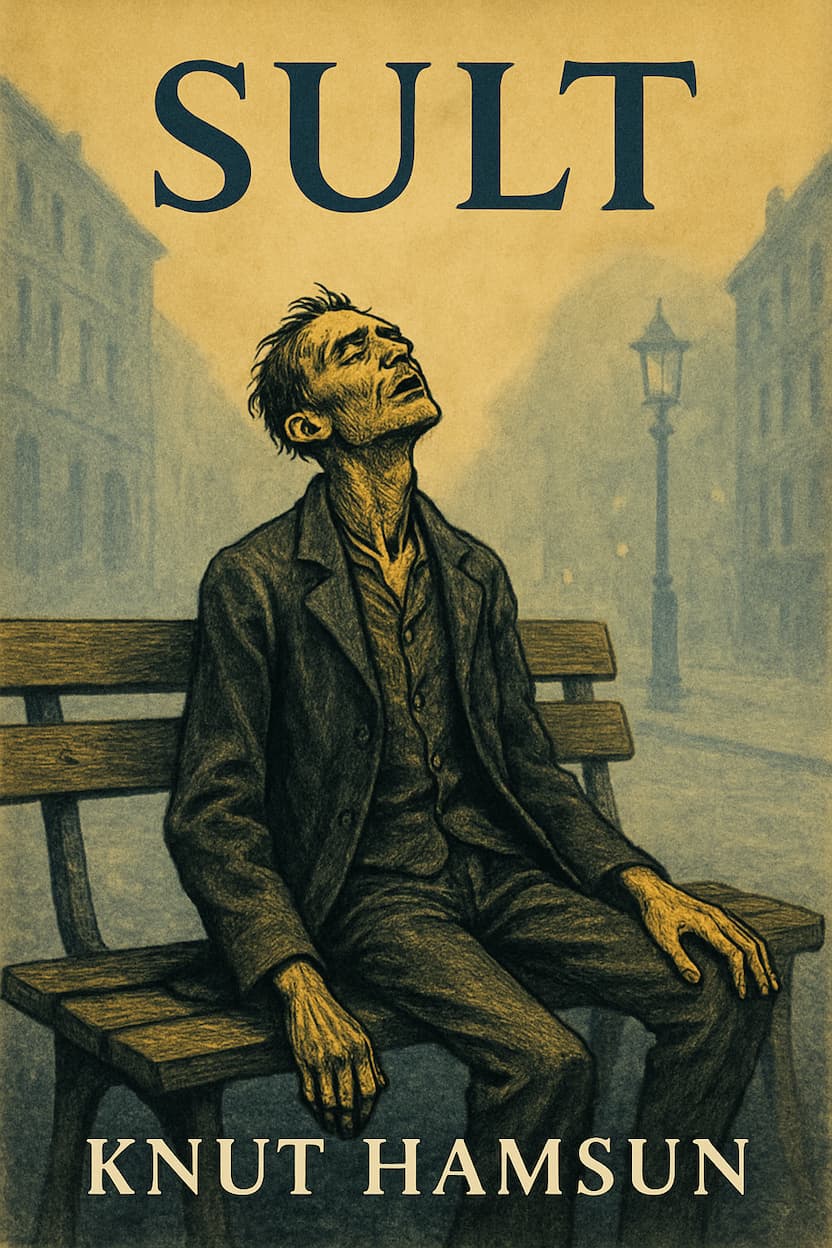
A penniless writer roams the streets of Kristiania, drifting between small jobs, refusals, and brief periods of grace. As his hunger deepens, so does his inner life, becoming sharper, more erratic, and oddly lighter. The closer he gets to collapse, the freer he feels: free from convention, free from obligation, free from himself. What starves the body liberates the self, if only for moments. In this groundbreaking novel, Hamsun turns hunger into a harsh spiritual discipline and a meditation on the liberating power of deprivation.
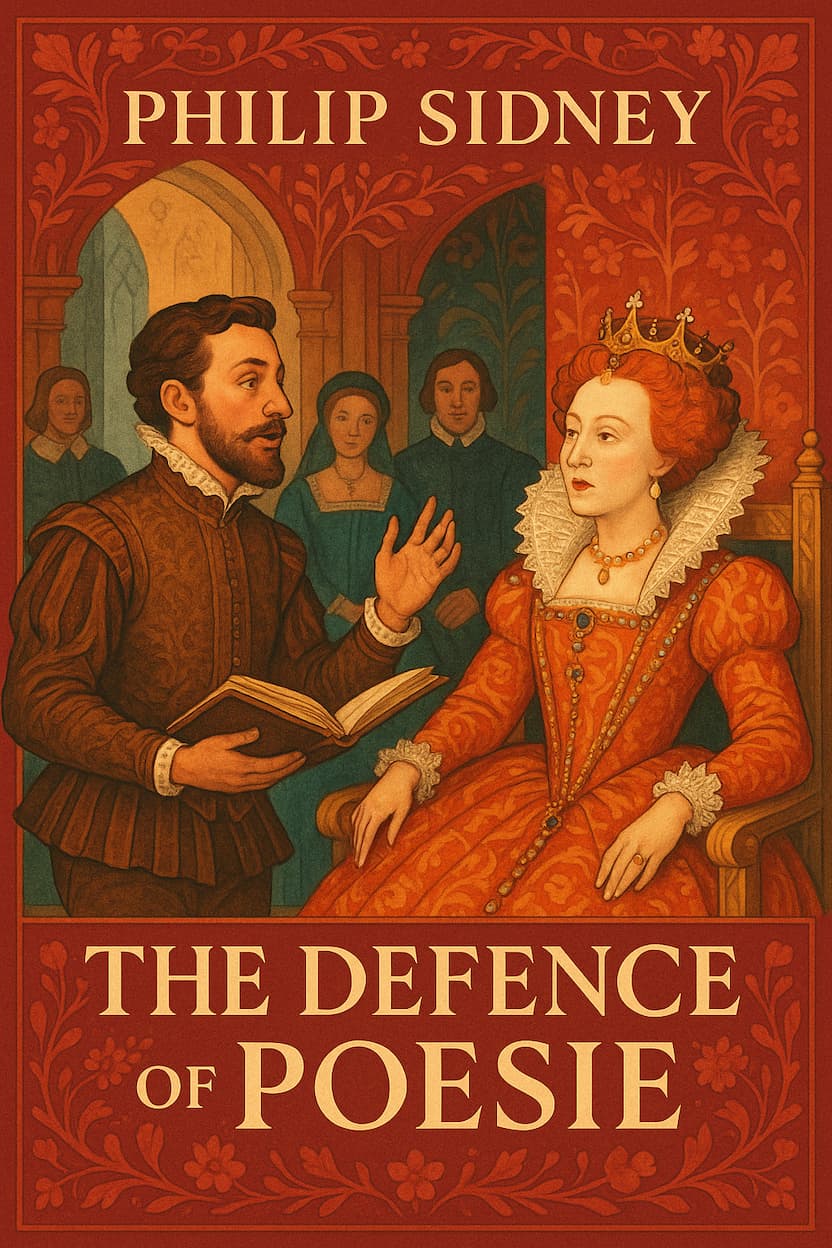
In The Defence of Poesie, Philip Sidney makes a passionate argument for the enduring value and power of poetry. Written in response to contemporary criticism, Sidney boldly asserts poetry's ancient and universal prestige, tracing its origins back to the time when it was the first source of light for civilisation. Sidney champions poetry's unique ability to teach and delight, arguing that it surpasses both philosophy which offers abstract precepts and history which provides mere facts. By crafting speaking pictures of what should be rather than simply what is, the poet inspires virtuous action more effectively than any other art. He vigorously refutes charges that poetry is a mother of lies or a nurse of abuse, contending that its fictions serve higher moral truths and that any perceived failings lie with human misuse, not the art itself. Although he laments the state of English poetry in his own time, Sidney praises the English language as being perfectly suited to poetic excellence. This seminal work remains a profound exploration of the purpose of art, celebrating the creative imagination and providing a timeless testament to the essential role of the poet in shaping moral character and inspiring the human spirit.
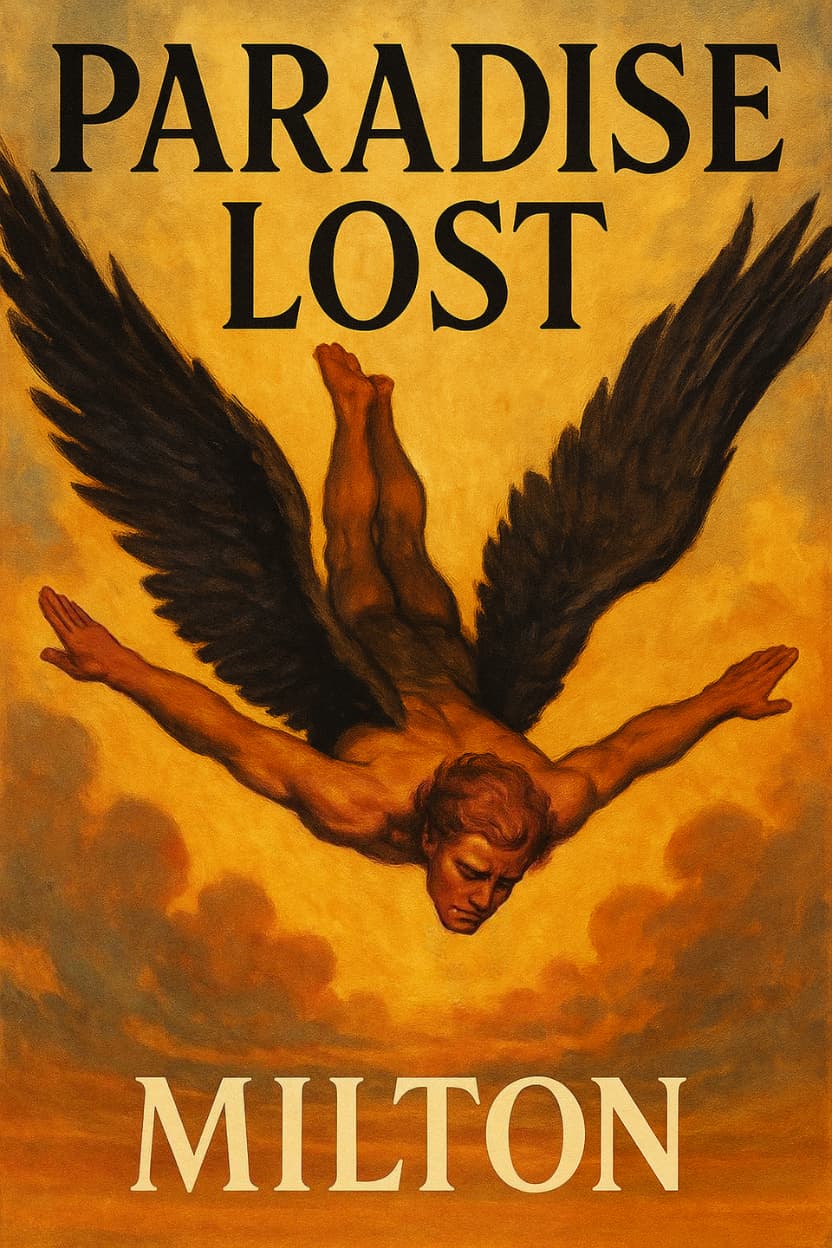
Composed after Milton lost his sight, Paradise Lost tells of Satan's rebellion, the birth of our world, and humanity's first disobedience. Far from mere sermon, Milton's masterpiece interrogates the paradox of free will under divine rule. Easy judgments are complicated by Satan's charisma and Adam and Eve's tenderness. Through sublime poetry, Milton explores the tensions between freedom and obedience, temptation and consequence, and the light that remains after ruin.
The second of Homer’s epics, The Odyssey follows Odysseus’ arduous journey home from the Trojan War. Battling tempests, mythical creatures, and the will of the gods, he must rely on wit and resolve to reclaim his place and reunite with his family. Through the image of Odysseus’s wave-battered ship, Homer meditates on what gives people the strength to persevere.
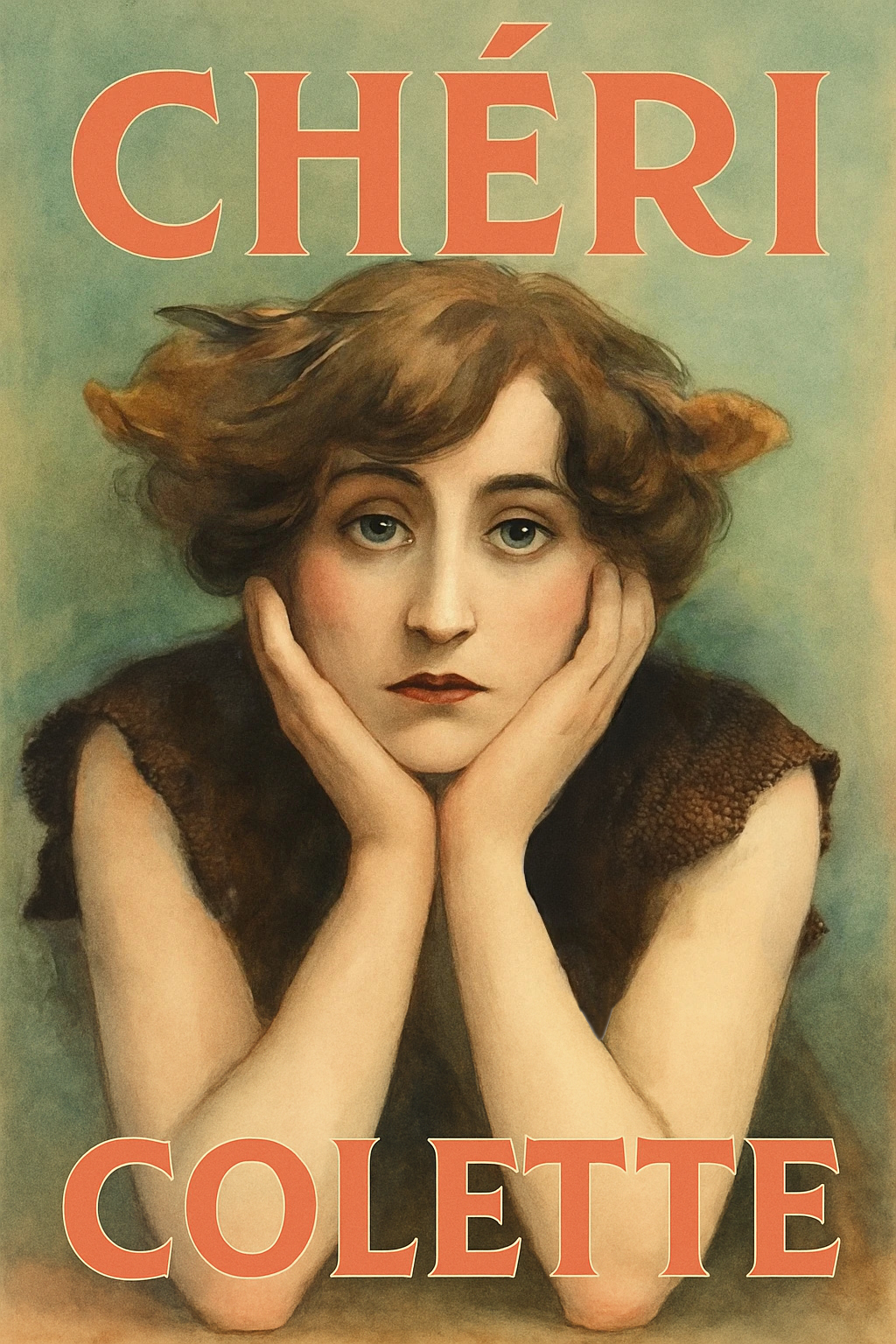
In Belle Époque Paris, the celebrated courtesan Léa de Lonval has been caring for the spoiled Chéri since his teens. His arranged marriage to a suitable young wife breaks their bond but their parting exposes what years together concealed: need, fear, and an attachment neither can name. Chéri is a classic of love, possession, and the ache of aging.